Bitcoin & Cryptocurrency Prices by Market Cap
Top Coins
#
Coin
Price
24h
Market Cap
Volume
7 day trend
Actions
SOLOTH is a meme coin built on the Solana blockchain, embracing a laid-back philosophy in the often chaotic world of crypto. Featuring its mascot, Soloth, the project encourages a patient and relaxed approach to investing. Unlike traditional cryptocurrencies, SOLOTH has no intrinsic value or financial expectations, serving purely as an entertainment-driven token. Led by founder Badr Houdoe and marketer Mohammed Allolo, the project aims to foster a community that values humor, patience, and a stress-free attitude toward the market. As a meme coin, SOLOTH embodies the spirit of fun and cultural significance within the Solana ecosystem.
SOLOTH is a meme coin on the Solana blockchain, represented by its mascot, Soloth, who embodies a laid-back approach to crypto investing. The project emphasizes patience and a relaxed attitude in the fast-paced crypto world.
The SOLOTH project is led by founder Badr Houdoe, with Mohammed Allolo serving as a marketer. The team also includes Frankie Dollars, known as Soldier #01.
No, SOLOTH is a meme coin with no intrinsic value or expectation of financial return. It is intended solely for entertainment purposes.
SOLOTH aims to promote a culture of patience and relaxation in the crypto community, contrasting with the often frantic pace of the market. It serves as a reminder that sometimes, taking it slow can be beneficial.

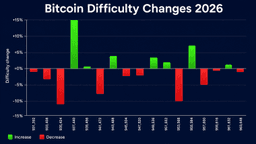
Bitcoin mining difficulty sits near its 2026 low after ten declines, with 150 EH/s sidelined as BTC gives miners relief.
Michael Saylor says bitcoin's defining advance is converting economic energy into digitally controlled value for people, companies, machines, and nations.

U.S. Senator Kirsten Gillibrand is demanding an enforceable ban on presidential crypto profits in market structure legislation. Her renewed push follows a

Paul Sztorc’s ECX fork races past 25,000 blocks as miners add 3.53 PH/s and difficulty rockets during Alpha.

This week Bitcoin awoke from its slumber, springing out of bed. Going in, Bitcoin volatility was as compressed as it has been in a decade.

