Bitcoin & Cryptocurrency Prices by Market Cap
Top Coins
#
Coin
Price
24h
Market Cap
Volume
7 day trend
Actions
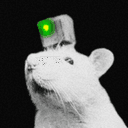
Pythia stands as the first rat integrated with artificial intelligence, showcasing a unique blend of biological and technological advancements. This groundbreaking project emerged from the fusion of a living brain with a neural interface and AI technology. To achieve this integration, researchers at the Neiry biotech lab (www.neiry.ai) implanted electrodes into the brain's somatosensory regions. It is important to note that all procedures are conducted with strict adherence to legal and ethical regulations. This innovative experiment has generated considerable excitement within the scientific community, capturing the interest of many science enthusiasts and leading to the formation of a devoted following for Pythia. The name "Pythia" has gained widespread recognition, inspiring the launch of various meme tokens sharing the same name (PYTHIA). A portion of one of these tokens was contributed to the Neiry scientific laboratory, resulting in Pythia's official endorsement and significant backing from the community. Furthermore, Neiry has placed its PYTHIA holdings, along with its own SOL assets, into a liquidity pool. The generated fees from this pool are now being utilized to support ongoing research in neuroscience and technology.
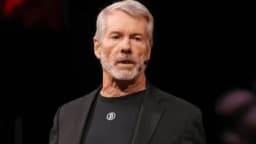
Michael Saylor is calling for Bitcoin to move beyond founder worship, mandatory self-custody, and hostility toward institutions. His "Bitcoin Reformation"
Federal authorities shut down two online tools that Chinese government-backed hackers allegedly used to attack major U.S. agencies. The platforms helped

Reports say artificial intelligence (AI)-based CVE reports disclosed the Core Lightning (CLN) issues with the node.

Bernstein analyst Gautam Chhugani envisions six-digit bitcoin prices coming to fruition by the end of the year and into 2027.

On Wednesday, the DeFi platform Defillama and the Web3 investment bank Forgd announced the launch of Universal Token Ratings.