Top Coins
#
Coin
Price
24h
Market Cap
Volume
7 day trend
Actions
PAAL AI is a cross-chain AI and crypto platform that enables users to build, monetize, and deploy intelligent agents across trading, automation, and creative applications. Its native token, PAAL, powers staking, revenue sharing, and access to premium AI tools. With support for Ethereum, BSC, and Base networks, PAAL AI combines decentralized infrastructure with real-world utility, offering a vibrant ecosystem for developers, creators, and enterprises.
PAAL AI is an AI-driven crypto platform that lets users build bots, automate trading, create memes, and monetize AI apps through staking and tokenization.
You can trade PAAL on HTX, Gate.io, Bybit, MEXC, and Uniswap V2. It's also available on Base and BNB Chain through cross-chain bridges.
Bitcoin.com Wallet, MetaMask, and Trust Wallet support all PAAL networks (Ethereum, BSC, Base). Hardware wallets like Ledger and Trezor are ideal for long-term storage.
Stake PAAL for up to 15% APY and ETH rewards. Buybacks from platform revenue flow into staking pools to boost returns.
You can create AI agents, meme tools, auto traders, and enterprise bots, then deploy them to Web3 or tokenize them for revenue sharing.
Future DAO governance will allow PAAL holders to vote on revenue use, grants, and ecosystem development decisions.



U.S. crypto regulation is pivoting fast as the CFTC scraps legacy guidance, signaling a friendlier, clearer framework that could unlock broader market access, reduce compliance friction and accelerate digital asset integration across American financial markets.

Ripple finalized its Rail acquisition, advancing Ripple Payments into a unified, compliant stablecoin platform designed to streamline global B2B money movement, expand enterprise adoption, and deepen real-world utility across digital and fiat rails.

Wall Street’s market infrastructure edged closer to tokenization after DTCC secured SEC no-action clearance, enabling tokenized securities with full legal protections and custody standards, signaling regulatory comfort and accelerating institutional adoption across U.S. capital markets.

Institutional-grade infrastructure is expanding XRP beyond payments as regulated wrapped XRP launches with deep liquidity, enabling cross-chain DeFi activity, new trading pairs, and broader utility across major blockchains through Hex Trust.

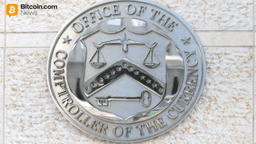
Federal regulators moved crypto deeper into U.S. banking as the OCC conditionally approved five digital-asset trust banks, signaling growing confidence in federally supervised crypto custody, payments and blockchain-based financial services.