Bitcoin & Cryptocurrency Prices by Market Cap
Top Coins
#
Coin
Price
24h
Market Cap
Volume
7 day trend
Actions
Flare (FLR) is a decentralized network that brings smart contracts to non-smart contract blockchains, enabling the integration of various digital assets into decentralized finance (DeFi) applications. Designed to enhance the utility of cryptocurrencies like XRP, Flare uses the Ethereum Virtual Machine (EVM) and introduces the concept of Federated Byzantine Agreement (FBA) to ensure secure and efficient transactions. FLR, the native token of the Flare network, is used for governance, transaction fees, and collateral for the decentralized applications built on the platform. By enabling interoperability between different blockchains, Flare aims to expand the DeFi ecosystem. For live FLR prices, historical data, and market insights, visit our Flare Markets page to stay updated on this innovative project.
Flare (FLR) is a decentralized network that brings smart contract functionality to non-smart contract blockchains, enabling enhanced utility for various digital assets in the DeFi space.
Flare integrates non-smart contract blockchains with its EVM-compatible platform, allowing assets from networks like XRP to be used in DeFi applications through secure and efficient transactions.
Flare’s focus on interoperability and its ability to bring smart contracts to non-EVM blockchains set it apart, expanding the potential use cases for various digital assets.
Flare (FLR) is available on select exchanges, and our Flare Markets page provides live FLR prices, historical data, and insights to support trading decisions.
Flare enables users to utilize their digital assets in DeFi applications, enhancing the utility of non-smart contract blockchains and facilitating secure transactions across networks.
FLR tokens can be stored in wallets that support Ethereum-based assets, such as MetaMask, Trust Wallet, and Ledger, providing secure options for managing FLR assets.
Flare employs a governance model where FLR token holders can participate in network decisions, voting on proposals and changes to the protocol.
Flare’s innovative approach to interoperability and the integration of smart contracts with non-smart contract blockchains make it appealing within the DeFi ecosystem. As with all cryptocurrencies, FLR is volatile, and its investment potential depends on market developments.

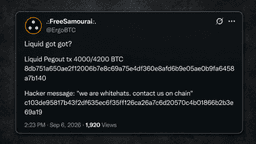
Nearly 4,000 BTC reportedly left Liquid’s federation wallet as an onchain message claimed, “we are whitehats.”
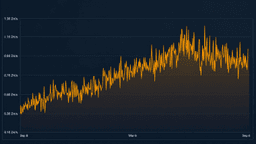
Bitcoin difficulty rises 1.31% as hashprice jumps 22.24%, while hashrate stalls at 934 EH/s despite stronger miner profits.
Bitcoin fork BTCB2 hits $1,799 as BTCB2 trading heats up, hashrate climbs and its shaky $20.9B valuation turns heads.
Ripple CEO Brad Garlinghouse said a BIS research team's decision to test the XRP Ledger was unsurprising, citing its fees, speed, and record. The

Discover the chilling details surrounding the murders linked to Jonathan Meléndez and his Bitcoin holdings in Mexico.