Bitcoin & Cryptocurrency Prices by Market Cap
Top Coins
#
Coin
Price
24h
Market Cap
Volume
7 day trend
Actions
Ethereum Classic (ETC) is a decentralized, open-source blockchain platform that runs smart contracts and enables decentralized applications (dApps). Formed from the original Ethereum blockchain, Ethereum Classic preserves the original code and vision, prioritizing immutability and censorship resistance. ETC operates with a Proof of Work (PoW) consensus mechanism and is widely used for secure, transparent transactions. The Ethereum Classic ecosystem is committed to a secure and decentralized approach to blockchain technology. Explore live ETC prices, historical data, and market insights on our Ethereum Classic Markets page to stay updated on this resilient platform.
Ethereum Classic (ETC) is the original Ethereum blockchain, designed to run smart contracts and support decentralized applications. It is a decentralized, immutable blockchain that operates independently of Ethereum (ETH).
Ethereum Classic originated from a split in the Ethereum blockchain following the DAO hack in 2016. Those who prioritized immutability continued to support the original chain, which became Ethereum Classic (ETC).
ETC is used to pay for transactions and computational services on the Ethereum Classic network, supporting decentralized applications and smart contracts with a focus on immutability and security.
ETC can be stored in hardware wallets like Ledger, as well as in secure software wallets such as Exodus and Trust Wallet, which provide reliable options for managing Ethereum Classic.
Ethereum Classic is unique for its dedication to immutability and its commitment to preserving the original Ethereum code and vision. It maintains a Proof of Work consensus, prioritizing security and censorship resistance.
Ethereum Classic appeals to those interested in a secure, immutable blockchain. Investment in ETC, like all cryptocurrencies, should be based on personal research and risk assessment.
Yes, Ethereum Classic supports smart contracts and decentralized applications, allowing developers to build and deploy projects on its secure, decentralized blockchain.

According to reports, the U.S. Securities and Exchange Commission (SEC) is looking to update custody rules.

TronBid Expands Marketplace: Rent TRON Energy and Reduce USDT Fees
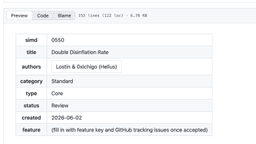
Two Solana proposals could sharply reduce token issuance while increasing burns, potentially cutting staking yields in half within two years.
Bitcoin and ether ETFs extended their inflow streaks to eight sessions on Wednesday, attracting $232.12 million and $192.35 million each.


