Bitcoin & Cryptocurrency Prices by Market Cap
Top Coins
#
Coin
Price
24h
Market Cap
Volume
7 day trend
Actions
Cardano (ADA) is a third-generation blockchain platform focused on scalability, interoperability, and sustainability, built to run decentralized applications (dApps) with enhanced security and efficiency. Founded by Charles Hoskinson in 2017, Cardano uses a unique Proof of Stake (PoS) mechanism called Ouroboros, which is designed to be more energy-efficient than Proof of Work (PoW) systems. Cardano is built with a scientific approach, supported by peer-reviewed research and a layered architecture that separates the computation and settlement layers. ADA, Cardano's native cryptocurrency, is used for staking, paying transaction fees, and participating in the network's governance. Cardano's ecosystem is rapidly expanding, especially in areas like decentralized finance (DeFi), NFTs, and digital identity. Access live ADA prices, historical data, and market insights on our Cardano Markets page to explore Cardano’s potential in the evolving blockchain space.
Cardano (ADA) is a blockchain platform built for efficiency and security, designed to support decentralized applications. It uses a unique Proof of Stake (PoS) mechanism, making it energy-efficient compared to other blockchain systems.
Cardano's Proof of Stake mechanism, Ouroboros, allows ADA holders to stake their tokens to secure the network and validate transactions. This consensus mechanism is known for being energy-efficient and robust in security.
ADA is used for staking, paying transaction fees, and participating in governance decisions within the Cardano network. It supports the ecosystem by enabling decentralized applications and financial services.
You can store Cardano (ADA) in hardware wallets like Ledger or in Cardano-specific wallets like Daedalus and Yoroi, which provide secure and convenient options for managing ADA.
Cardano stands out for its scientific and peer-reviewed approach, as well as its layered architecture, which separates transaction processing from computation. This approach aims to optimize security, scalability, and flexibility.
Cardano’s technical foundations and growing ecosystem have attracted interest as an investment. However, investing in ADA or any digital asset involves market risks and should be based on personal research and financial goals.
Yes, Cardano is expanding into decentralized finance (DeFi) and supports NFTs. Its secure and scalable platform is attracting developers and projects in these sectors, contributing to a vibrant ecosystem on Cardano.
Dragonfly's Rob Hadick believes stablecoins are entering a new phase, as growing competition will eventually break the USDT-USDC duopoly.

Orbit Robotics unveiled Helios, a four-armed space robot designed to cut costs and automate station maintenance.

You don't need to own $SPCX, or even follow the company, for this IPO to hit your portfolio. The largest listing in history is sending volatility waves

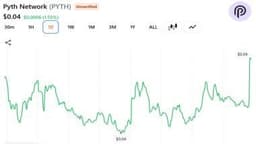
Pyth targets Bloomberg’s $50B data market with 24/7 indices, institutional partners, and growing subscription revenue.
Uncover the benefits of Rain stablecoin-backed crypto cards in addressing financial challenges across Latam.